.svg)
Cybersecurity for
Manufacturing
As organizations in the manufacturing sector embrace Industry 4.0 technologies, their attack surface is expanding at an unprecedented pace. With smart factories, connected devices, automation, and AI redefining how goods are made and moved, cyber risk for manufacturing is no longer theoretical—it’s a business-critical reality.
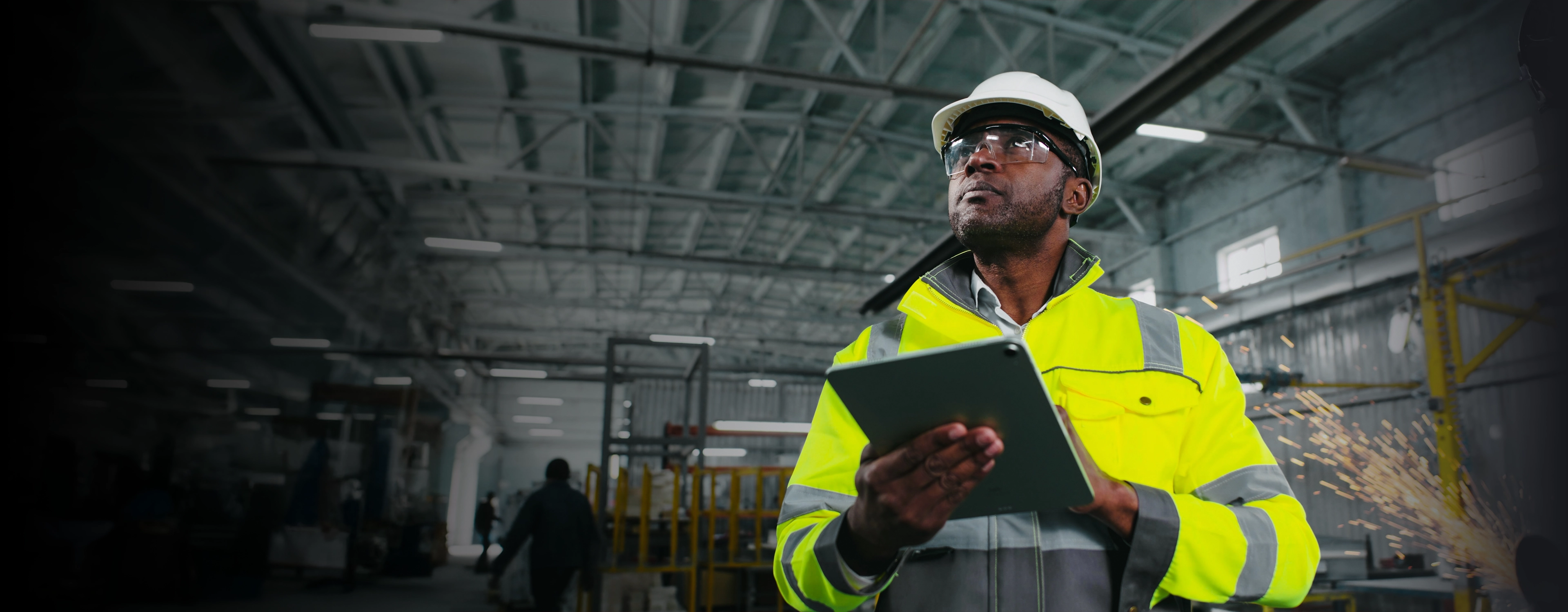
In 2024, over 50% of ransomware attacks targeted manufacturing entities, and the sector experienced an 87% year-over-year increase in ransomware incidents.
The convergence of IT and OT systems, coupled with supply chain complexity and legacy infrastructure, creates fertile ground for cybercriminals. And while technology is essential, most attacks involve the human element.
To ensure operational continuity and maintain customer trust, organizations in the manufacturing sector must shift from reactive defense to proactive cyber resilience. That requires continuous training, targeted cyber drilling, and the ability to prove and improve your team’s readiness at every level of the business.
Immersive can help manufacturing organizations be ready for threats, by helping leaders prove cyber capabilities through realistic cyber drills and exercises and improve through hands-on labs, including content that helps workforces prepare for Operational Technology (OT)-related attacks.


How Immersive Helps Manufacturers Strengthen Cybersecurity
Immersive delivers cybersecurity for manufacturing that meets the sector where it is and takes it where it needs to go. Our hands-on cyber labs simulate threats across offensive, defensive, and application security domains—empowering teams across technical, executive, and operational roles to build the practical skills needed to protect critical infrastructure.
How the Immersive Resilience Score Works
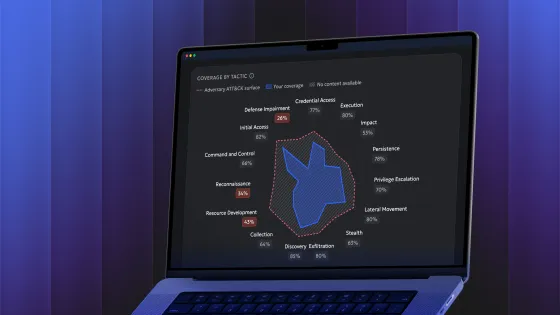
The Immersive One Platform provides realistic simulations and hands-on cybersecurity labs to evaluate individual and team capabilities across the entire workforce, from executive decision makers to cyber defense, OT security, application security, IT, cloud teams and more. When organizations use the platform to upskill their people, they will be able to view their overall resilience score against industry benchmarks and best practices, and see progress over time. This leads to more resilient teams, fewer disruptions, and a measurable path to secure manufacturing.
Importance of Cybersecurity in the Manufacturing Industry
The manufacturing industry is a top target for cyberattacks—particularly ransomware, supply chain infiltration, and industrial espionage. The sector faces cyber claims that are 1.6x more frequent and 1.2x more severe than the average across all industries. And attackers aren’t just going after data—they’re aiming to halt production, damage systems, and steal proprietary IP.
At the same time, the manufacturing sector is under intense pressure to modernize. Digital transformation, automation, and integration of smart technologies are vital for competitiveness—but they also expand the attack surface and introduce new vulnerabilities.
In this high-stakes environment, a proactive, measurable approach to manufacturing cybersecurity is essential. With Immersive’s hands-on labs, cyber drills, and real-world exercises, you can prove and improve cyber capabilities across your teams—and get the insight you need to identify skill gaps and demonstrate readiness.


Common Cybersecurity Threats in Manufacturing
The types of cybersecurity threats in manufacturing industry environments are constantly evolving, but a few stand out for their frequency and impact:
- Ransomware attacks on OT systems: Malware like EKANS is engineered to target industrial control systems (ICS), bringing operations to a standstill and often requiring costly ransom payments to resume production.
- Supply chain attacks: Between 2021 and 2023, supply chain attacks increased by over 431%. A breach in a third-party vendor or supplier can cascade across the ecosystem, exposing proprietary data or halting operations.
- Industrial espionage: Criminal and nation-state actors often target the manufacturing sector for trade secrets, R&D assets, and intellectual property—particularly in high-tech or defense-adjacent industries.
- Unsecured IIoT devices: While industrial IoT increases efficiency, these devices often lack adequate security and are difficult to patch—creating vulnerabilities throughout factory floors.
- Legacy infrastructure: Many OT environments run on outdated systems that were never designed with cybersecurity in mind. These systems can’t be easily replaced but must be protected.
A strong manufacturing cybersecurity strategy must address all of these threats in an integrated, measurable way.
Cybersecurity Challenges in Modern Manufacturing
The manufacturing sector is navigating increasingly complex cybersecurity terrain. As the pace of digital transformation accelerates, so do the challenges that come with securing interconnected systems, diverse technologies, and critical operations. Some of the most pressing cybersecurity challenges in the manufacturing industry include:
- Ransomware attacks on OT systems: Malware like EKANS is engineered to target industrial control systems (ICS), bringing operations to a standstill and often requiring costly ransom payments to resume production.
- Insufficient threat intelligence: Without timely, relevant, and actionable intelligence, security teams struggle to anticipate or recognize advanced attacks, leaving the organization vulnerable to evolving threats.
- Operational complexity and siloed teams: Disconnects between IT, OT, and cybersecurity teams lead to fragmented risk management and slow incident response. The complexity of managing these different environments adds to the challenge of ensuring cohesive security across the enterprise.
- Rapid adoption of emerging technologies: AI, VR/AR, wearable sensors, Big Data, and 5G networks are being integrated into modern manufacturing environments to drive innovation. However, these technologies often outpace existing security frameworks, introducing new vulnerabilities and increasing cyber risk for manufacturing.
- Expanding cyber risk across ecosystems: From legacy infrastructure to external suppliers, the broader manufacturing network presents an extensive attack surface. Breaches in one area can quickly ripple through supply chains, disrupting operations and exposing sensitive data.
Immersive addresses these complex challenges through targeted cybersecurity training, role-specific capability assessments, and hands-on risk preparedness exercises. By helping organizations in the manufacturing sector prove and improve their cyber readiness, Immersive turns persistent cybersecurity challenges in the manufacturing industry into measurable resilience.

Building Cybersecurity Resilience in Manufacturing
Cyber threats in manufacturing aren’t just targeting IT—they’re hitting the heart of operations. As the industry becomes more connected, secure manufacturing is no longer a luxury—it’s a necessity. Traditional defenses fall short against today’s fast-evolving threats, especially when human error is often the weakest link. True cyber resilience in manufacturing means your teams can anticipate, withstand, and bounce back from attacks—without halting production or compromising safety.
The pressure is on. From legacy equipment vulnerabilities to rising compliance demands and increasingly complex supply chains, the manufacturing sector must stay ahead. Cyber resilience starts with your people.
Immersive empowers organizations like yours to build an unshakeable cyber resilience posture, with a people-centric approach focused on proving and improving workforce readiness. With a proper cyber resilience strategy, organizations can anticipate, withstand, recover from, and adapt to cyberattacks, when they happen.
With Immersive, you can:
To learn more about how Immersive helps organizations in the manufacturing sector Be Ready for threats, book a demo.
Have a question?
Find the answer
Reach out to our friendly
support team.
What is manufacturing cybersecurity?
Manufacturing cybersecurity involves protecting industrial networks, systems, and assets—especially OT and IIoT—from cyber threats that could cause downtime, safety issues, or intellectual property loss. A strong manufacturing cybersecurity strategy combines technical defenses with workforce training to ensure real resilience.Cyber resilience is the ability to withstand, recover from, and adapt to cyberattacks, which requires a people-centric approach, focusing on continuous cyber drilling and exercising to prepare the workforce to handle threats.
How to improve manufacturing cybersecurity?
Improving manufacturing cybersecurity starts with a layered approach:
- Conduct regular cyber drills and assessments
- Train both OT and IT teams on real-world threats
- Patch legacy systems and secure IIoT devices
- Segment networks to contain breaches
- Enforce secure development practices
- Require suppliers to meet minimum security standards
- Use platforms like Immersive to benchmark and close workforce skill gaps
By integrating these actions, the manufacturing sector can reduce cyber risk, improve continuity, and meet compliance expectations—while continuously proving and improving their cybersecurity posture and ensuring they are ready for evolving threats.
What’s New
Latest product updates and threat-led releases from the Immersive team.



Further reading and resources
Featured blog content to deepen the conversation beyond this page.
.webp)