.svg)


Cyber resilience metrics that benchmark and prove readiness
Benchmark resilience using real performance data and generate the evidence boards, regulators, and insurers need.



.svg)

Readiness should be based on a continuous view of cyber resilience that combines operational performance with benchmarking and reporting data. Immersive gives you that by helping you understand:
Measure what matters. Benchmark what improves.
Readiness shouldn't be based on assumptions, training completion, or static dashboards.

Where your organization is strongest
See which teams, roles, and capabilities are performing most effectively.

Where critical capability gaps exist
Identify weaknesses before they develop into operational or business risk.

How resilience changes over time
Track measurable progress and understand where performance is improving or declining.

How you align with recognized frameworks
Benchmark readiness against established industry standards and security frameworks.
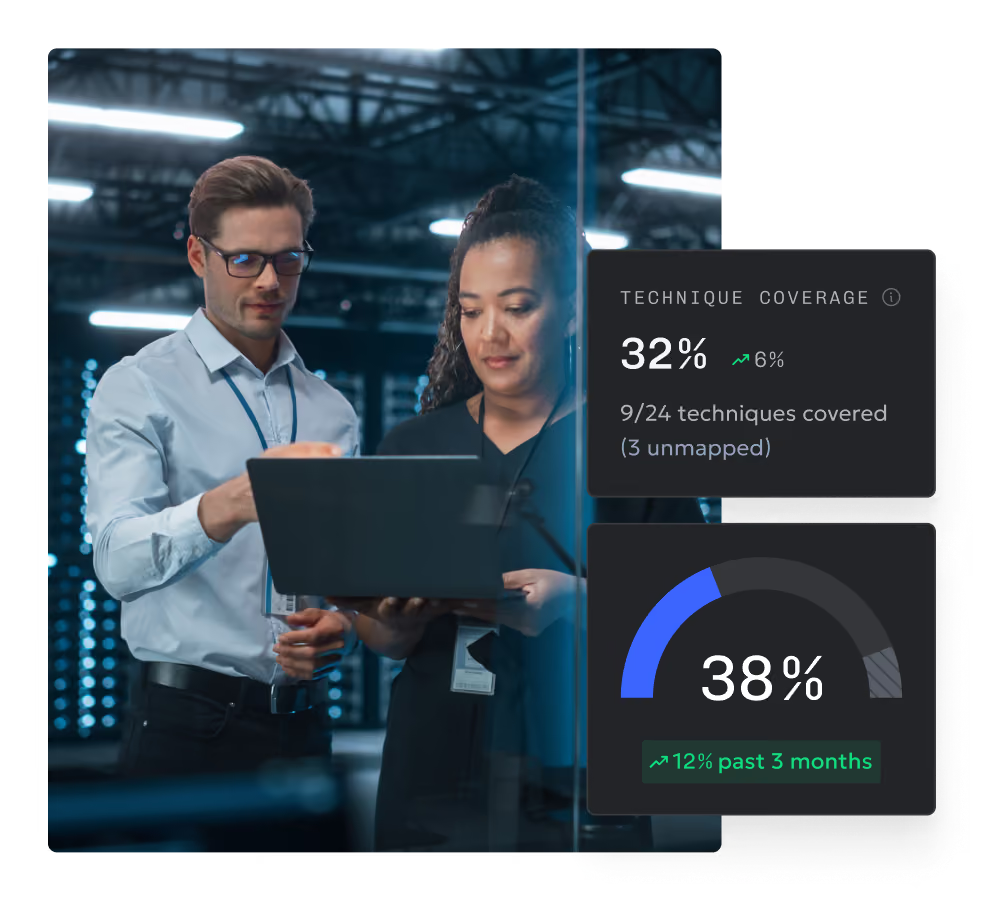
See resilience in a single, continuously updated score
A resilience score, powered by up-to-date performance data from across the Immersive One platform.
Quantify resilience using real-world performance data
Benchmark against peers and track progress over time
Identify gaps and what improvements to prioritize next
Have clear evidence of organizational readiness
Understand readiness against the threats that matter most
Benchmark resilience against the real-world threat actors most relevant to your organization. Prioritize investment, strengthen defenses, and prove readiness where it counts.
Assess readiness against relevant threat actors
Map adversary tactics to demonstrated team performance
Prioritize remediation and targeted development
Track resilience as threats continue to evolve

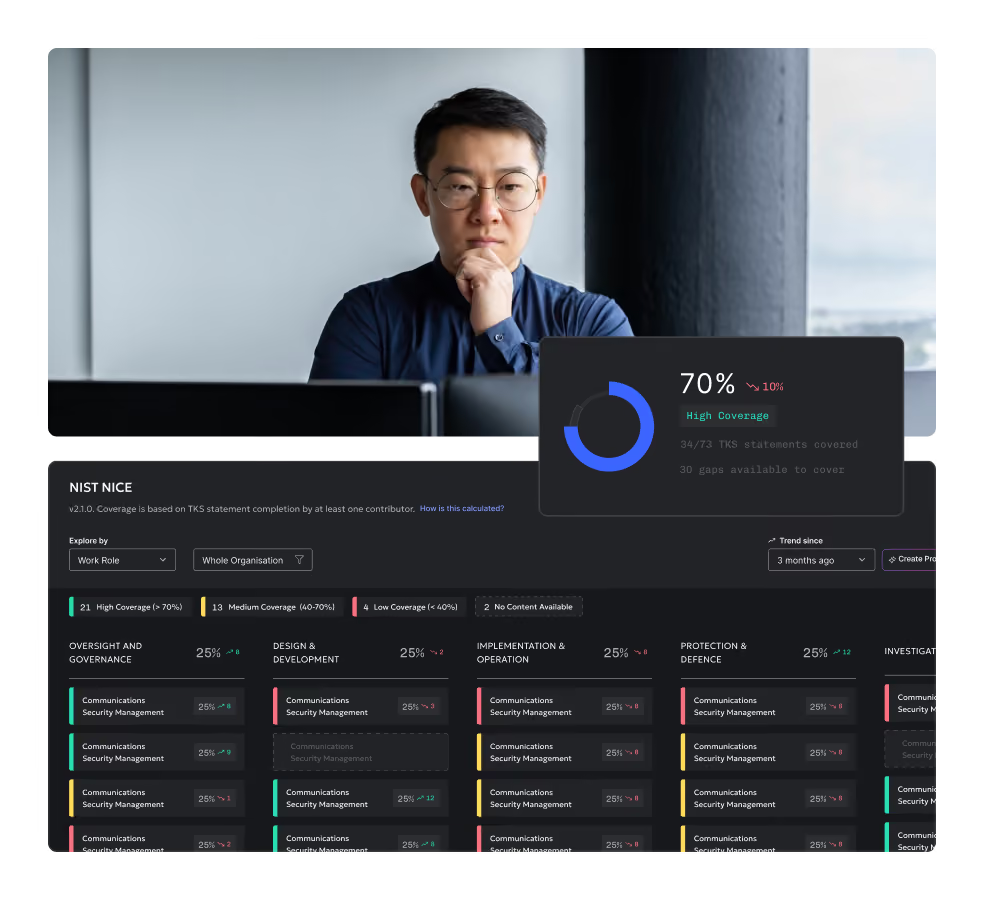
Benchmark workforce
capability against NIST NICE
Measure workforce capability against the NIST NICE framework to understand readiness, identify critical skill gaps, and make more informed workforce decisions.
Measure capability across recognized cyber roles and skills
Identify gaps across teams and functions
Inform workforce planning and development investment
Prove readiness with framework-aligned evidence
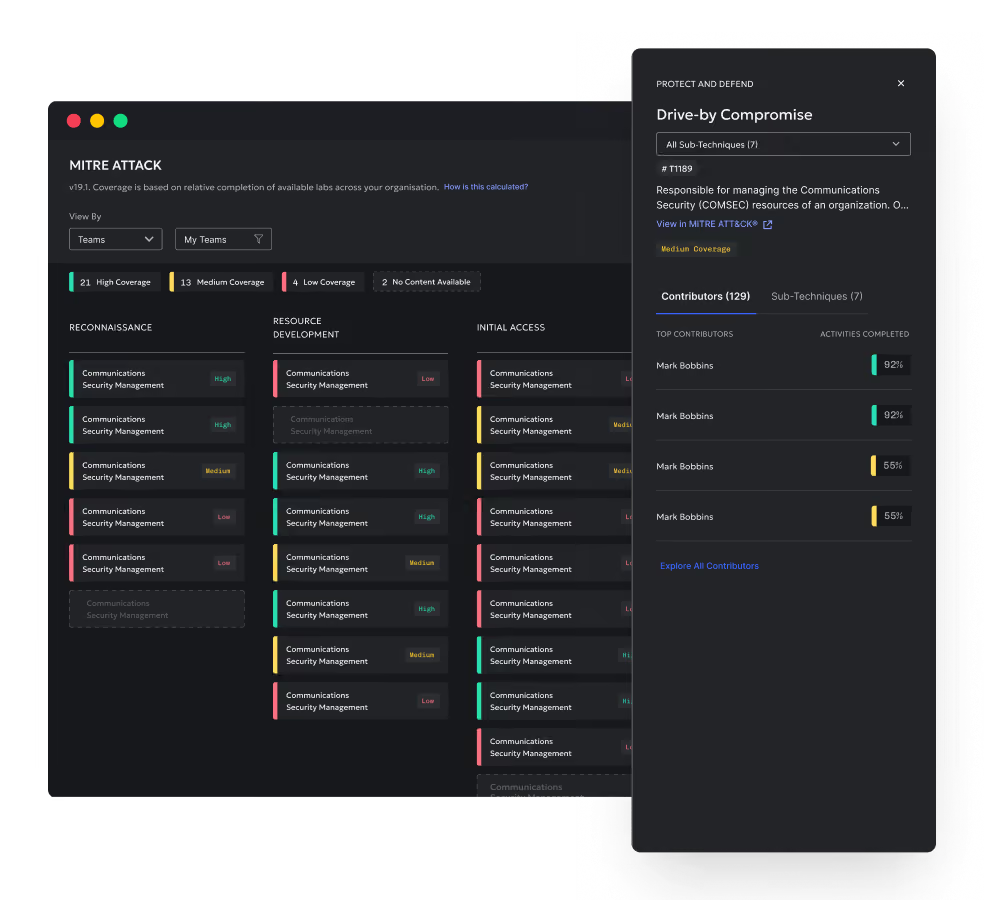
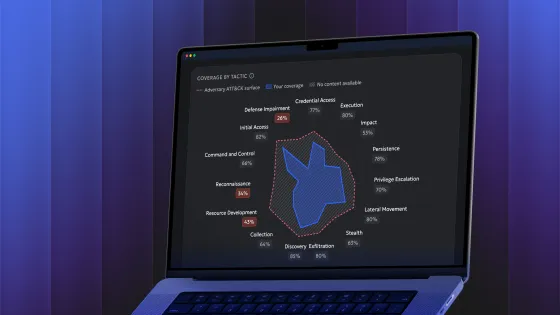
Reveal defensive coverage across MITRE ATT&CK
Map your defensive capabilities against real-world adversary tactics and see where gaps exist across the MITRE ATT&CK framework.
Visualize coverage across ATT&CK techniques
Identify defensive gaps and blind spots
Prioritize exercises that close meaningful gaps
Track progress against a recognized framework
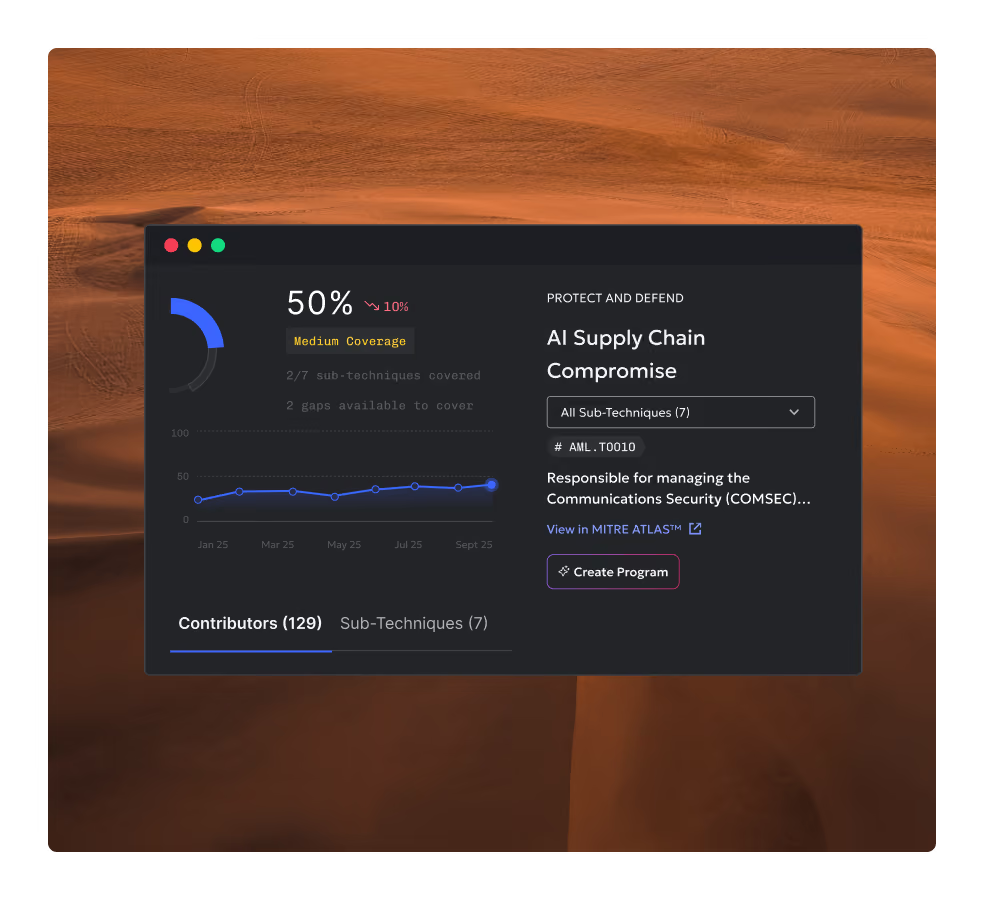
Benchmark AI security readiness against MITRE ATLAS
Map your AI security capabilities against real-world threats, identify critical gaps, and build the resilience your teams need as AI adoption accelerates.
Measure coverage across MITRE ATLAS techniques
Identify AI security capability gaps
Track improvements in AI defense over time
Have objective evidence of AI readiness
See what’s coming soon

Turn resilience data into actionable insight
Use AI-powered analytics to explore cyber resilience data, uncover trends, and make faster, evidence-based decisions.
Explore performance data through natural conversation
Surface trends without manual reporting
Generate on-demand visualizations and insights
Identify opportunities for continuous improvement
Understanding the differences: security ratings
vs. maturity assessments vs. resilience metrics
Choose the right measurement based on what you need to prove – from external threat visibility through to internal readiness and capability.
| Security Ratings Ratings | Maturity Assessments | Resilience Metrics | |
| Vantage point | Outside-in | Self-reported | Performance-based |
| What's measured | Externally observable attack surface | Process and control maturity against a framework | Demonstrated capability under simulated pressure |
| Data source | Public scanning and threat feeds | Interviews and documentation review | Exercise, lab, and simulation telemetry |
| Refresh rate | Continuous | Annual or biannual | Continuous as teams exercise |
| Question answered | How do we look to an attacker or an insurer? | Do we have the right processes documented? | Can our people execute when it matters? |
| Primary use | Third-party risk, underwriting, due diligence | Compliance and audit | Readiness assurance and workforce investment |
| Blind spot | Says nothing about internal capability or people | Documented process ≠ practiced response | Doesn't assess external attack surface |
The cyber proving ground for the AI enterprise
Turn real-world performance into measurable proof of cyber resilience.
Have a question?
Find the answer
Reach out to our friendly
support team.
What are cyber resilience metrics?
Cyber resilience metrics measure an organization's ability to withstand, respond to, and recover from a cyber attack. They differ from security metrics by assessing demonstrated performance — how teams and leaders actually perform under pressure — rather than the presence of controls or the maturity of documented process.
What is a Cyber Risk Score?
A Cyber Risk Score measures an organization's vulnerability to cyber threats based on security posture, past incidents, and external risks. Combined with Immersive's Resilience Score, it helps organizations not only identify weaknesses but also assess capability to respond.
How is a resilience metric different from a security rating?
A security rating is calculated outside-in from externally observable signals such as exposed services, patching cadence, and leaked credentials, and is used primarily for third-party risk and underwriting. A resilience metric is calculated from demonstrated performance inside the organization. A rating describes exposure; a resilience metric describes capability.
What cyber resilience metrics should we report to the board?
Boards respond to a small number of metrics with clear trend and peer comparison rather than a comprehensive dashboard. A single composite resilience value, the factor-level detail behind it, movement since the last report, and position against industry peers covers most board requirements. Exercise-level evidence should be available on request rather than presented by default.
How often should cyber resilience metrics be measured?
Continuously. Point-in-time assessment measures the weeks around the assessment, and capability decays between exercises. Metrics derived from ongoing exercising reflect current capability rather than peak capability.
What’s New
Latest product updates and threat-led releases from the Immersive team.



Further reading and resources
Featured blog content to deepen the conversation beyond this page.
.webp)