


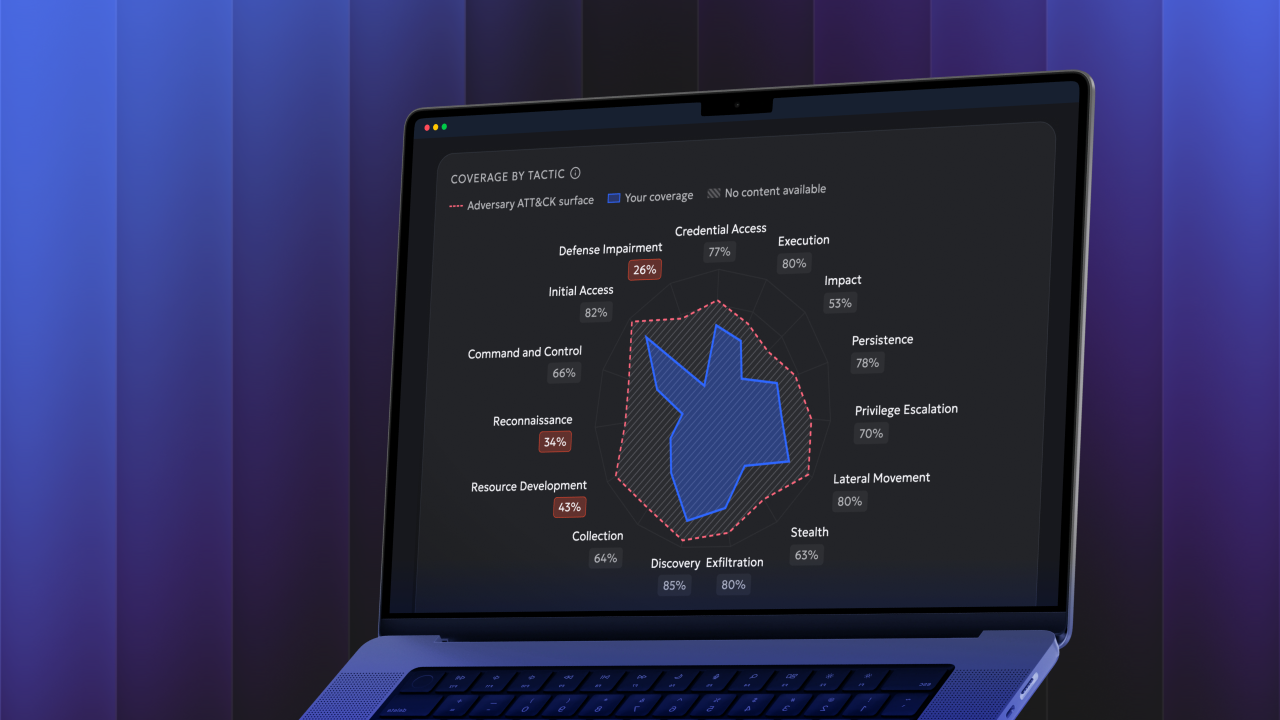


Discover how Threat Actor Insights in Immersive One helps organizations understand their threat landscape, measure defensive readiness, and build targeted training and crisis simulations
The cyber threat landscape is constantly evolving, with adversaries adapting their techniques, exploiting new vulnerabilities, and finding new ways to compromise organizations in specific sectors. In September 2026 alone, healthcare rose to the second-most-targeted industry for ransomware and digital extortion, with at least 82 recorded incidents, according to ZeroFox.
For security teams, keeping pace means making difficult decisions about where to focus limited time and resources. Organizations can’t prepare equally for every possible attack. They need to understand which threat actors are most relevant to their business, how those adversaries operate, and whether their teams have the skills to defend against them.
Threat Actor Insights in Immersive One connects threat intelligence with measurable workforce readiness, helping organizations prioritize relevant adversaries, identify defensive gaps, build targeted, organized training programs and crisis simulations, and track improvement over time.
Understand your readiness against the threats that matter
Every organization faces a different threat landscape. Using threat actor intelligence mapped to the MITRE ATT&CK framework, Threat Actor Insights enables security leaders to filter adversaries by industry, search for specific groups, and create a customized landscape based on their organization’s priorities.
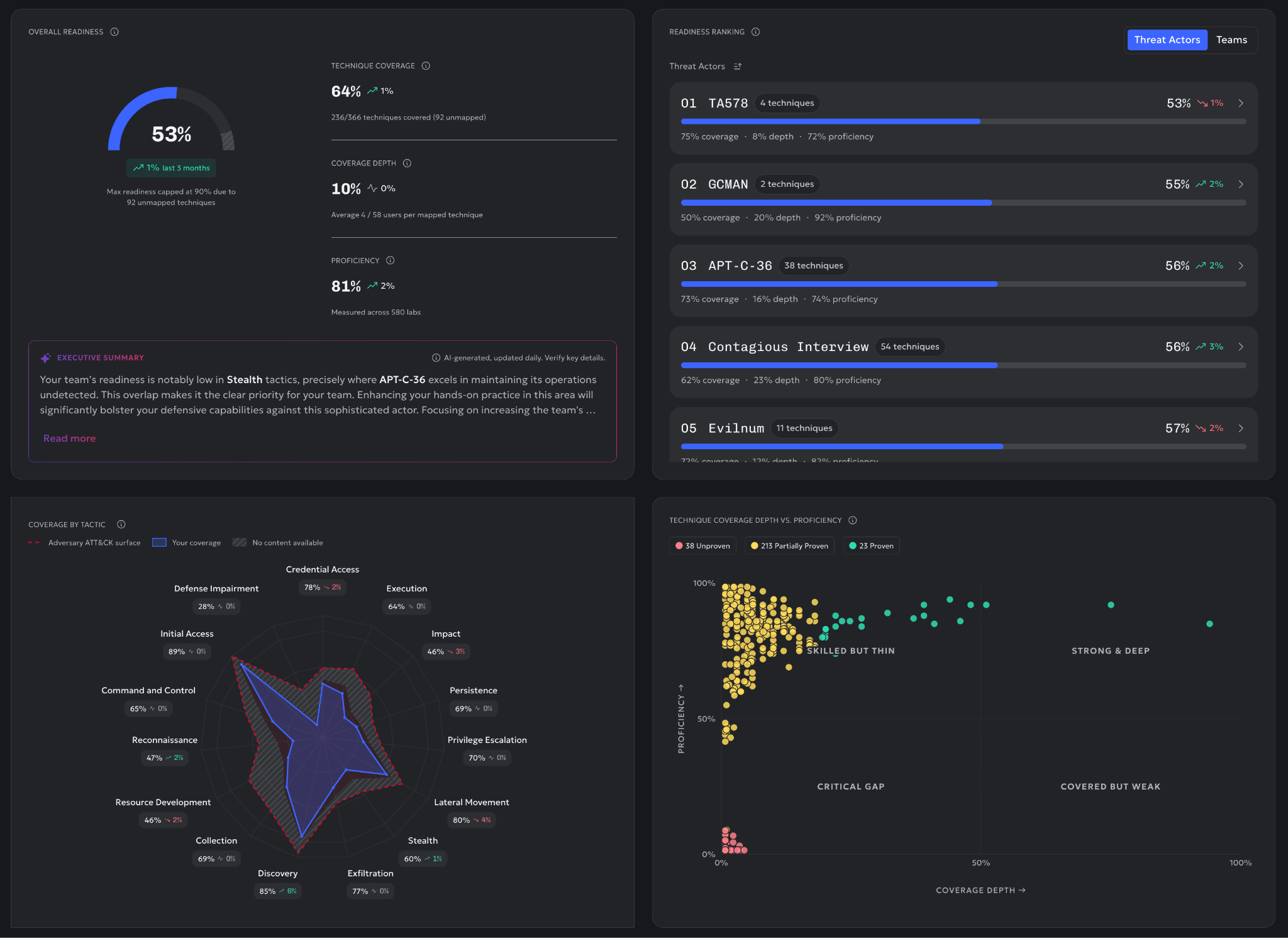
A consolidated dashboard provides visibility into readiness across selected threat actors, helping organizations:
- Assess overall readiness: Understand aggregate readiness across relevant adversaries, including coverage, depth, and proficiency.
- Prioritize critical gaps: Identify the threat actors against which the organization is least prepared.
- Compare readiness across teams: See which teams are best equipped to defend against specific adversaries and where additional development is needed.
- Investigate specific threats: Drill into individual threat actors to understand the techniques driving readiness gaps.
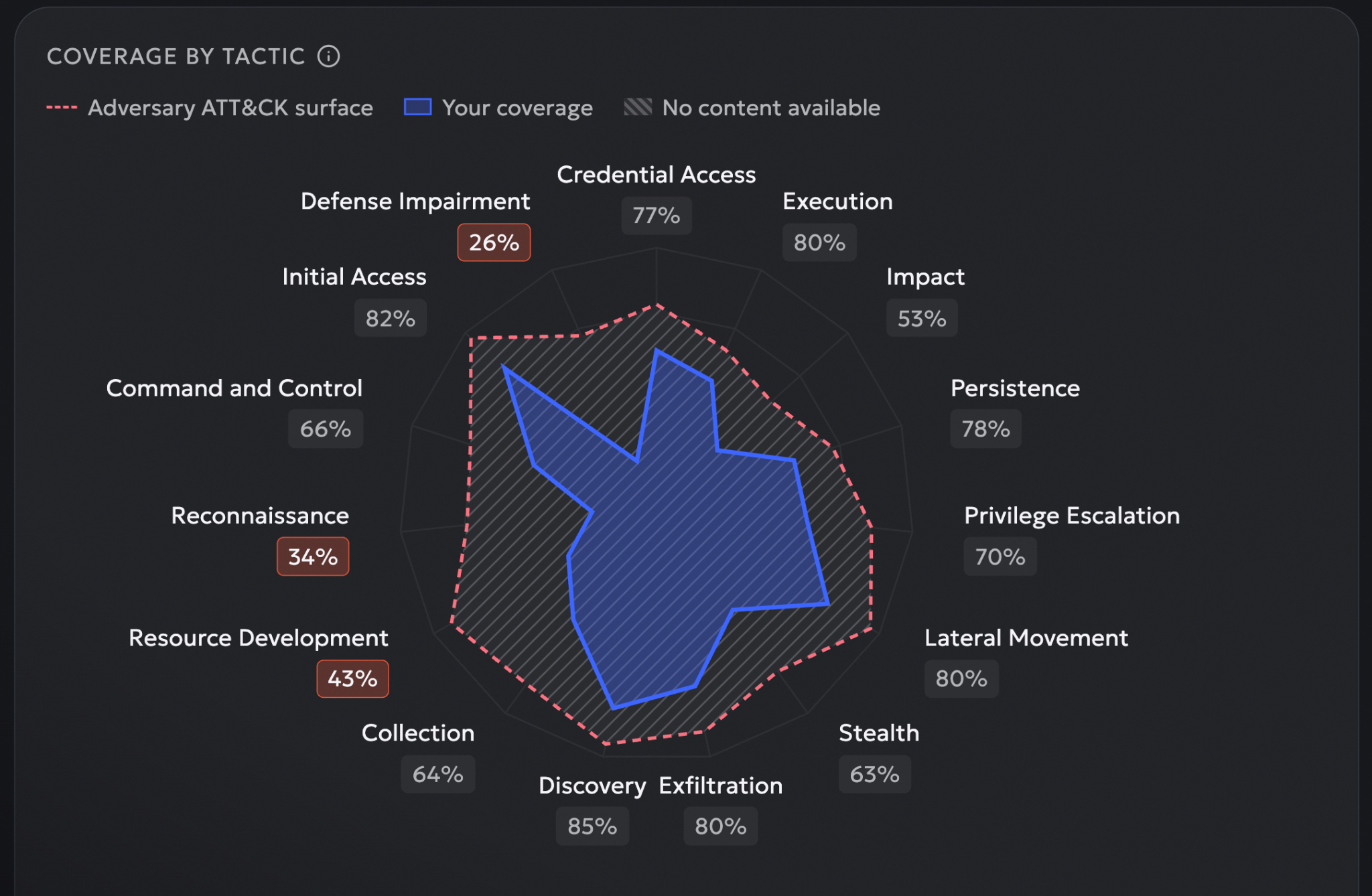
As an example, using the dashboards in Immersive One a healthcare organization can identify adversaries targeting its sector and quickly understand where its defensive capabilities are strongest and where additional preparation is needed.
Identify the gaps behind your readiness scores
An overall readiness score provides a starting point, but understanding what’s driving it helps security leaders take more targeted action.
Threat Actor Insights evaluates readiness across three dimensions:
- Coverage: How much of an adversary’s relevant tactics and techniques have been assessed.
- Depth: How broadly defensive capabilities are demonstrated across the team.
- Proficiency: How effectively individuals demonstrate the required skills.
These dimensions help uncover gaps that an overall score might otherwise conceal. A team may demonstrate strong proficiency against an adversary, for example, but that expertise could be concentrated in just a few individuals, creating key-person risk.
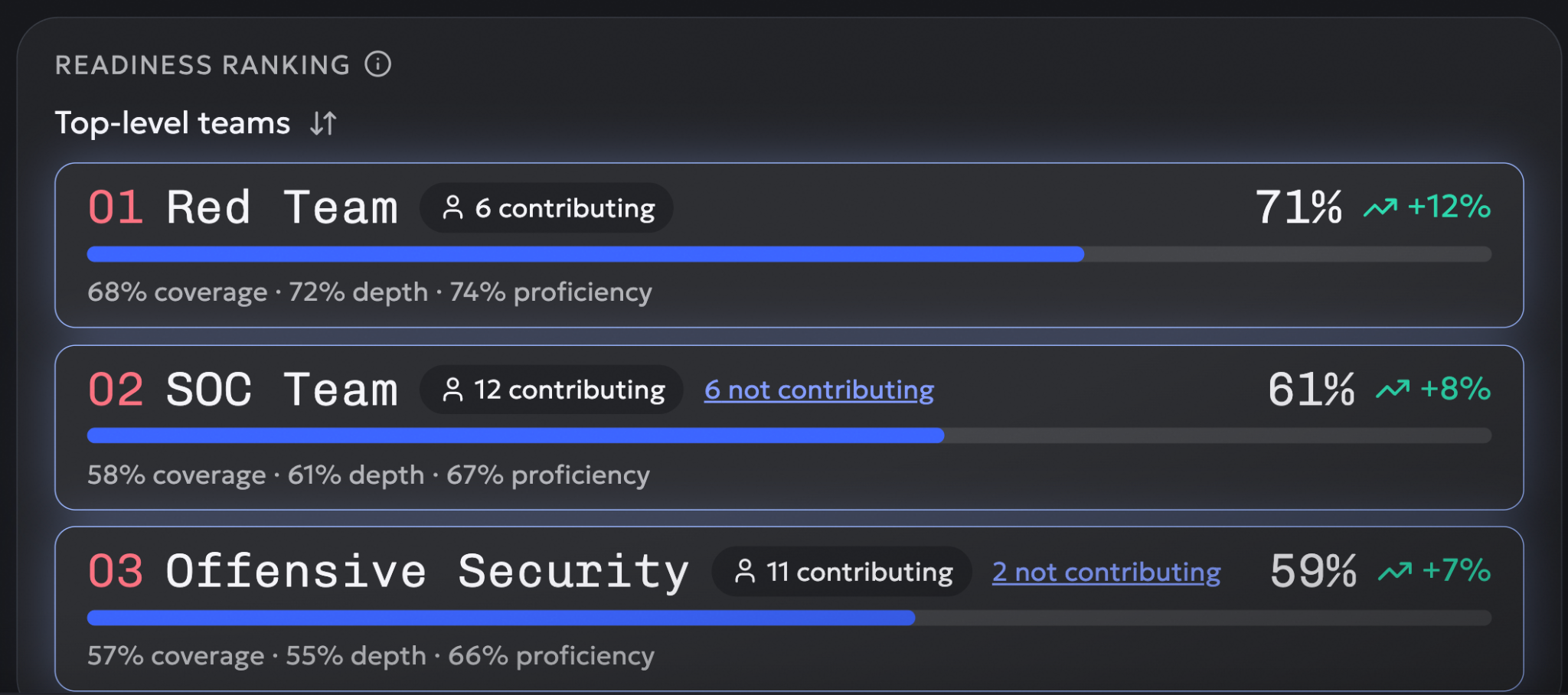
With team-level comparisons, readiness visualizations, and AI-generated summaries, security leaders can identify where skills need development, where expertise should be distributed more broadly, and which teams to prioritize.
Build targeted training and crisis simulations
Threat Actor Insights connects readiness data with AI-powered program creation in Immersive One, helping organizations turn identified gaps into focused training and exercises.
Using AI Program Builder, security leaders can select adversaries with the lowest readiness scores and create hands-on training programs targeting the relevant techniques and teams.
Organizations can also use AI Crisis Sim Builder to develop realistic scenarios inspired by threat actor behavior, helping technical teams, business stakeholders, and executives practice their response to potential incidents.
For example, a healthcare organization with readiness gaps against LAPSUS$ techniques could create a targeted technical training program, then run an extortion-focused crisis simulation to exercise decision-making and coordination across the business.
This approach helps organizations focus training resources on the threats and capabilities that matter most.
Track progress and prove defensive readiness
As teams complete training, Threat Actor Insights provides visibility into how readiness changes over time. Security leaders can track trends in overall readiness, coverage, depth, and proficiency across their selected threat actors, compare progress between teams, and identify persistent weaknesses.
These insights also help demonstrate the impact of training investments to leadership, moving beyond participation and completion metrics to show how defensive capabilities are developing against relevant adversaries.
Make threat-informed readiness part of your security strategy
Preparing for today’s threat landscape requires a focused, continuous approach to building defensive capabilities. With Threat Actor Insights in Immersive One, organizations can prioritize relevant adversaries, understand where their teams are exposed, and take targeted action through hands-on training and crisis simulations.
Build the skills to defend against the threats that matter and prove your teams are ready before an incident.

See how to prove readiness with one platform.
See how Immersive One helps technical teams and leaders prove readiness, close capability gaps, benchmark progress, and report cyber resilience with confidence.


