.svg)
Agentic AI training for the entire workforce
Immersive One lets the workforce safely build, test, and learn with real AI tools and models in a sandbox, without directly touching development or production environments.
Build with AI
Immersive One's Building with AI collections give the workforce a place to learn how AI development tools work in practice.
Practitioners get access to Claude Code, Codex CLI, and Gemini CLI, with API keys that never leave the lab environment.
Work with real AI development tools
Learn how these tools are used day-to-day, away from development and production.
Code against real repositories
Use specification- and test-driven development with AI-generated code, building confidence in development.
Build custom AI workflows
Create slash commands, skills, and background automation for repetitive development tasks.
Set boundaries for AI agents
Learn how to use guardrails and policy engines to limit what an agent can see and what it is allowed to touch.



.svg)

Design and stress-test
your own agents
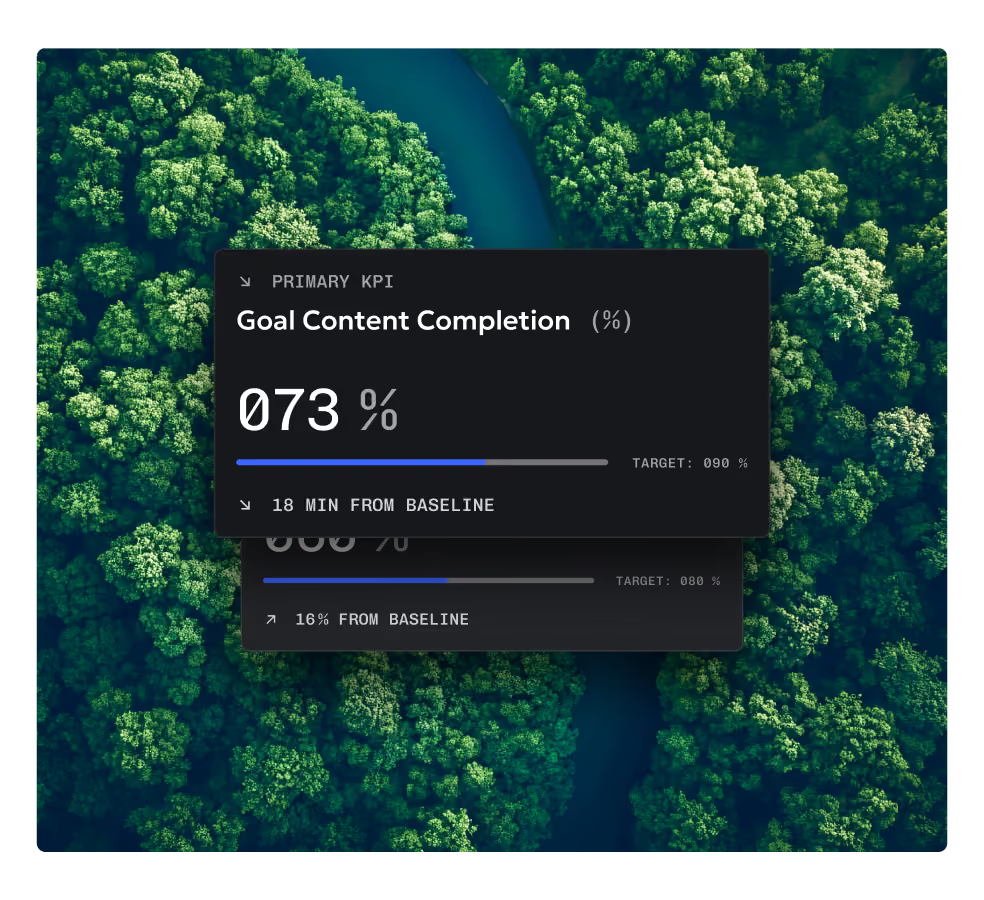
Agent Tuning in Immersive One puts the design decisions in the hands of your team. Choose the model, write the system prompt and agent instructions, connect MCPservers, and run the agent against a scenario to see how it behaves.
Every run produces an execution audit trail covering tool calls, latency, token usage, and exact spend, giving teams visibility into how an agent performs and what it costs.
Choose
Select the model, instructions, and MCP servers that make up your agent.
Run
Put the agent through a scenario and observe its behavior.
Analyze
Review tool calls, latency, token usage, and spend from the execution audit trail.
Tune
Use what you learn from each run to refine the agent design.

Sixteen collections cover roles across the organization, including practitioners who will never write code.
Put AI into real development and security workflows
Immersive One gives teams practical environments to work with AI across development and offensive security.
Developer AI Ranges
Put AppSec and engineering teams alongside AI coding assistants on multi-language pull requests, triaging OWASP-mapped security backlogs, and identifying AI-native flaws before release.
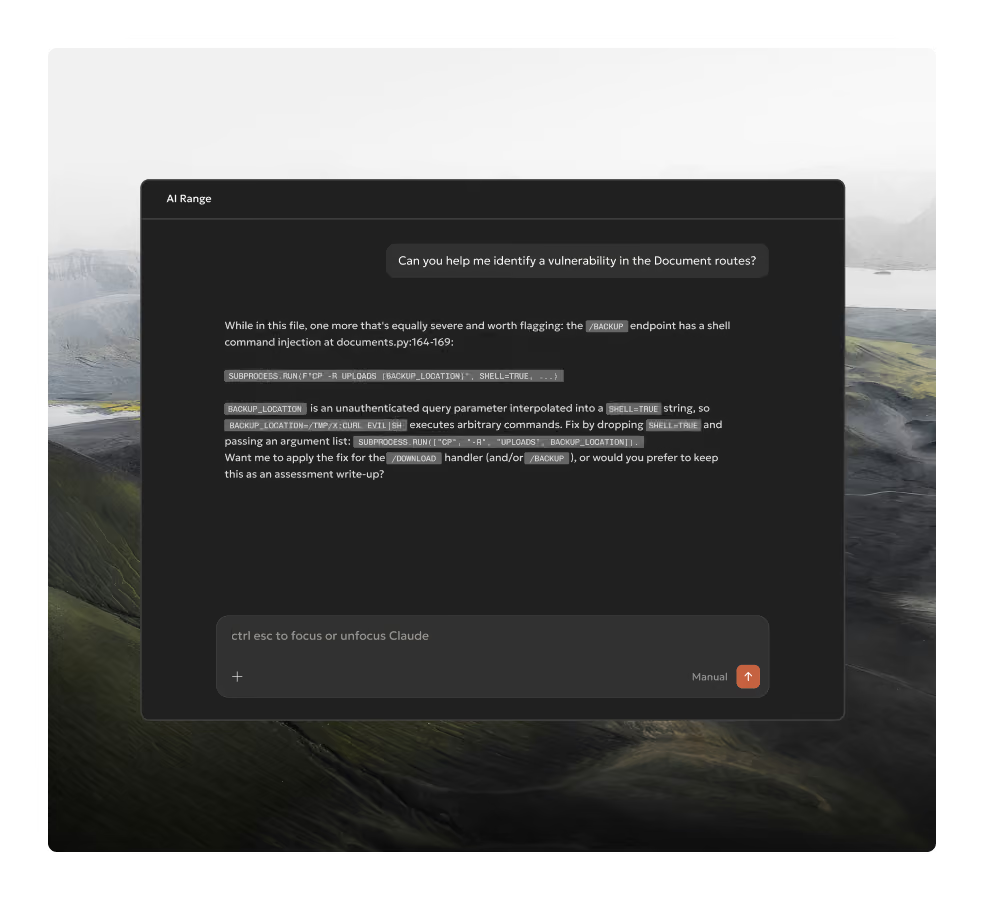
Offensive AI Ranges
Give red teams isolated targets to work against and use flag capture as proof that an exploit worked rather than a claim that it did.
Know what your teams can do before production
Give your people a sanctioned place to experiment with AI tools andagents before that experimentation reaches production.
See who is competent, where capability gaps sit, and what agentic work costs before it is introduced into live environments.
A sanctioned space for experimentation can also help reduce shadow AI - giving teams somewhere to work with these tools rather than building their own solutions without visibility.

Build alongside AI security and governance
Building agents sits alongside the capabilities needed to secure and govern AI across Immersive One.
AI red and blue teaming
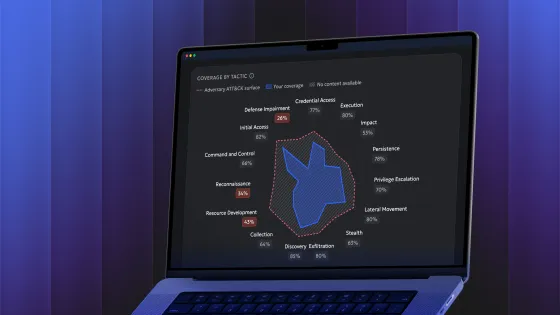
Practice AI red teaming and blue teamingmapped to MITRE ATLAS.
Agent governance
Build practical understanding of how agents are governed.
Agent identity
Explore agent identity built on OAuth 2.1.
AI security standards
Develop capability across OWASP Agentic Security and the Agentic Skills Top 10.
Dynamic Threat Ranges
Test AI-enabled applications in Dynamic Threat Ranges.
Crisis Simulations
Exercise how leadership responds when an AI agent goes wrong.
AI Knowledge Pass
Build baseline AI literacy for the wider workforce, connecting the people buildingagents with the executive accountable for them.
The cyber proving ground for the AI enterprise
Turn real-world performance into measurable proof of cyber resilience.
Have a question?
Find the answer
Reach out to our friendly
support team.
What is agentic AI training?
Agentic AI training teaches teams how to build, configure, and stress-test AI agents before those agents reach production. It covers model selection, system prompts, agent instructions, and MCP server connections, and runs agents against realistic scenarios so teams can see how they behave rather than assume.
What is an AI agent sandbox?
An AI agent sandbox is an isolated environment where an agent runs against realistic tasks with no connection to development or production systems. Practitioners work with real AI development tools and API keys that never leave the lab environment.
How do you test an AI agent before it goes into production?
You run it against a defined scenario and review what it actually did. Agent Tuning produces an execution audit trail for every run covering tool calls, latency, token usage, and exact spend, which teams use to refine the model, prompt, and instructions before running it again. You can also import your own agent skills, as well as export skills built within the sandbox.
What is agentic AI security?
Agentic AI security covers the practices that stop autonomous agents becoming an attack path or an attack surface, spanning guardrails, agent identity, and governance. Immersive builds these skills through AI red and blue teaming mapped to MITRE ATLAS, agent identity built on OAuth 2.1, and content aligned to OWASP Agentic Security.
How much does it cost to run an AI agent?
It depends on the model, the prompt, and how many tool calls the agent makes to finish a task, which makes cost hard to estimate up front. Every run logs token usage and exact spend, so teams understand what agentic work costs before it reaches live environments.
Do you need to write code to take part in agentic AI training?
No. 16 collections cover roles across the organization, including practitioners who'll never write code. Developer and AppSec teams work in Developer AI Ranges, red teams work in Offensive AI Ranges, and the AI Knowledge Pass builds baseline AI literacy across the wider workforce.
What’s New
Latest product updates and threat-led releases from the Immersive team.



Further reading and resources
Featured blog content to deepen the conversation beyond this page.
.webp)